Dog Safety at Home: A Practical Checklist to Prevent Common Risks
Cat Care & Enrichment Specialists
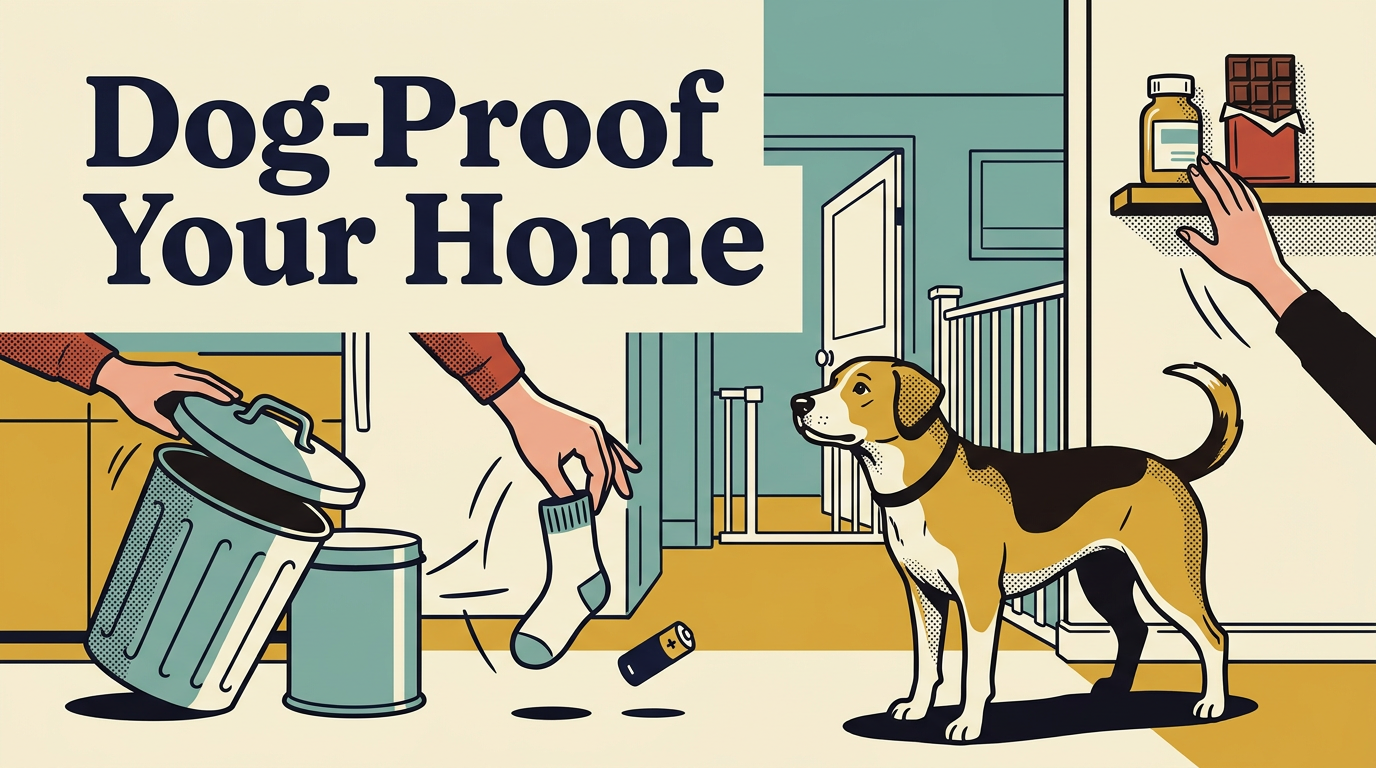
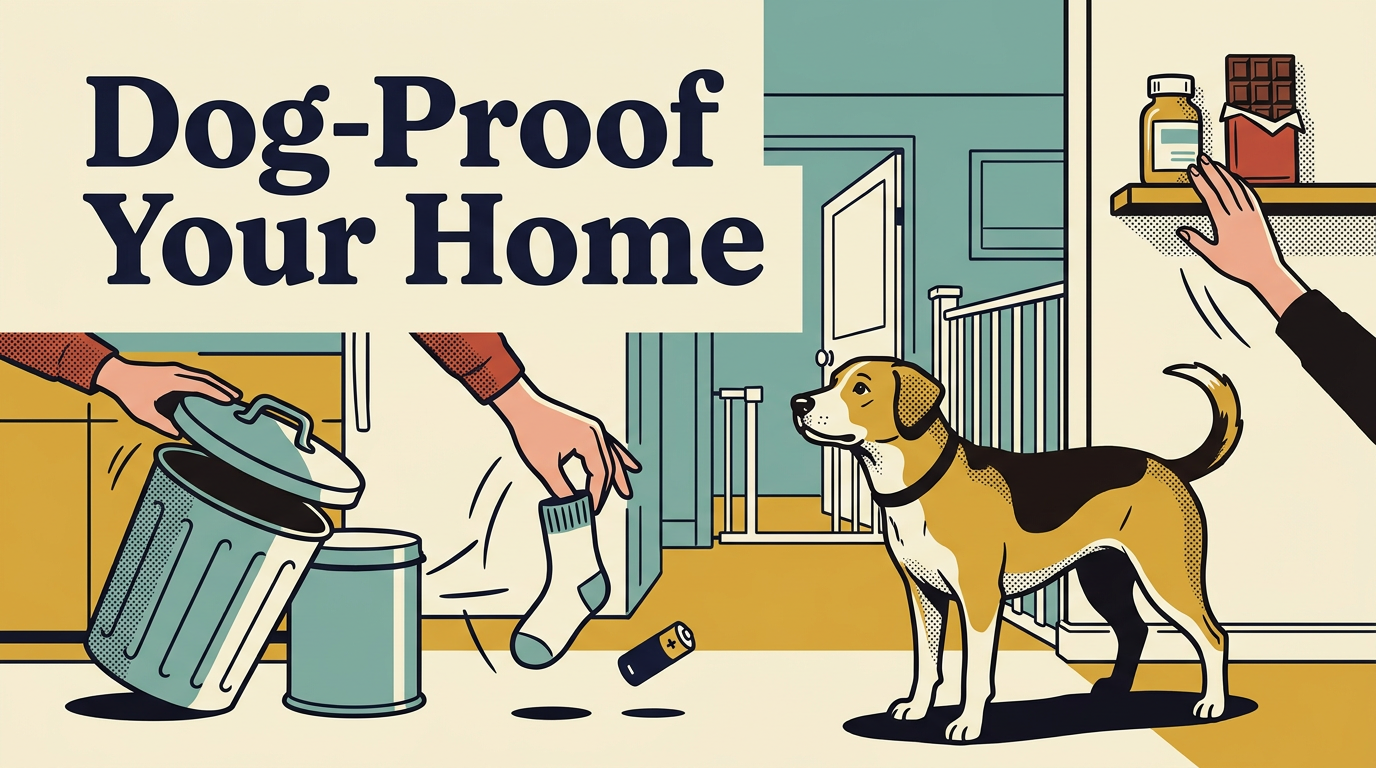
Most dogs do not get into trouble because a home is obviously dangerous. They get into trouble because everyday spaces are full of normal things that become risky once a dog starts chewing, licking, sniffing, jumping, or squeezing through a gap.
That is why dog safety at home is less about creating a perfect house and more about controlling access to the hazards that matter most. If you know where the highest-risk problems usually are, you can fix the biggest dangers first and make your home much safer without overcomplicating it.
Quick rule: If your dog can reach it, chew it, swallow it, tip it over, or escape through it, treat it as a safety item—not just household clutter.
Here is the simplest way to think about home safety:
Low concern | Higher concern | Most urgent |
|---|---|---|
General mess or mild clutter | Items that could be chewed or knocked over | Toxic foods, chemicals, medicines, choking hazards, and escape points |
That distinction matters. A shoe left on the floor is annoying. A sock, battery, medication bottle, open trash can, or unlatched gate can become a serious emergency very quickly.
Why home hazards are easy to miss
A lot of risks do not look dangerous to people because we understand what they are for. Dogs do not. They investigate with their mouths, paws, and noses, and they often act fast when something smells interesting or seems fun to shred.
Training helps, but management is still the first layer of safety. Even a well-behaved dog may grab food from a counter, chew a cord during boredom, or rush through an open door during excitement. Puppies need even closer supervision because they are more likely to chew impulsively and swallow unsafe objects.
So the goal is not “teach the dog to ignore everything.” The goal is to set up the space so one mistake does not turn into a preventable injury.
Start with the five home risks that deserve your attention first
If you only have time for one safety pass today, start here. These are the hazards most likely to cause serious problems.
Toxic foods: chocolate, grapes, raisins, xylitol-sweetened products, onions, garlic, alcohol, and caffeinated items
Medicines and chemicals: cleaning products, detergents, vitamins, prescriptions, pest-control products
Swallowable objects: batteries, string, rubber bands, socks, small toy parts, bones, plastic bags
Electrical and sharp hazards: cords, plugs, razors, knives, broken items, exposed sharp edges
Escape routes: open doors, loose gates, broken fences, unsecured balconies
Notice what these have in common: they are ordinary household items. That is why prevention matters more than waiting to react.
The kitchen is usually the highest-risk room
For many dogs, the kitchen combines scent, food, heat, sharp tools, and trash in one place. It is often the room with the most opportunities for a fast accident.
Focus on these points first:
Food danger is not just what is on the floor
Dogs do not need food to be dropped to reach it. They may counter-surf, nose open a bag, raid a low pantry shelf, or dig through a trash can. Foods such as chocolate, grapes, raisins, onions, garlic, xylitol-sweetened products, alcohol, and caffeinated items should be kept completely out of reach.
A useful test: if a food item would be tempting enough to steal, store it as if your dog will eventually try.
Trash is a bigger problem than many owners expect
An open or easy-to-tip trash can can expose a dog to bones, wrappers, spoiled leftovers, plastic, and food scraps. This is one of the clearest examples of the difference between minor mess and real risk.
Safer setup: use a lidded can, place it behind a closed door, or secure it inside a cabinet if possible.
Heat and sharp tools still count as dog hazards
Knives, hot pans, oven doors, and dangling dish towels can all create trouble. A curious dog underfoot can also increase the chance of a person dropping something dangerous.
Bathrooms and laundry areas hide small, serious hazards
These spaces are easy to overlook because they do not seem exciting to a dog. But they often contain exactly the kinds of items dogs should never access.
Common concerns include:
Medications and vitamins on counters
Toilet cleaners and other chemicals
Razors and grooming tools
Loose dental products
Standing water mixed with cleaning residue
Laundry items like socks or small undergarments that can be swallowed
Small items are often the problem here
A dog does not need to eat a whole bottle of something for it to become dangerous. One pill, a razor head, or a swallowed sock can be enough to cause a serious issue.
That is why bathroom safety is mostly about closed storage and closed doors, not just tidiness.
Living spaces need a dog’s-eye-level check
The living room, hallway, bedroom, and home office often feel safe because they are where dogs relax with us. But these are also the spaces where loose everyday items collect.
Do a quick scan from your dog’s point of view. What is reachable from floor level, couch level, or with one jump?
Watch for these common hazards
Electrical cords that can be chewed
Decorative plants that may not be safe for pets
String-like items such as ribbons, yarn, and rubber bands
Children’s toys with small detachable parts
Unstable furniture or décor that can tip if bumped
Here is a helpful distinction: not every object on the floor is equally risky. A blanket may be harmless. A battery beside the couch is not. Prioritize what could poison, choke, cut, shock, or obstruct.
Takeaway: Safety improves fastest when you stop treating all clutter the same. Fix the items that can cause immediate harm before worrying about cosmetic neatness.
Garages, storage spaces, and utility areas are often the most restricted for a reason
If the kitchen is tempting, the garage is often more toxic. Antifreeze, paints, fertilizers, pesticides, tools, and other chemicals should be treated as off-limits by default.
These areas are not good places for casual dog access, even for a few minutes. Many products stored there are dangerous if licked, stepped in, chewed, or spilled.
A simple rule works well here: if you would not leave it beside your dog’s bed, do not leave it accessible in storage spaces either.
At Umairahmed5544 Agency, we believe practical safety guidance works best when it is simple enough to use room by room. If you want help turning dog-safety information into clear guidance for your audience or have questions about home safety topics, contact us to discuss dog safety guidance or related content needs: umairahmed5544@gmail.com.
Doors, gates, and balconies deserve the same attention as toxic items
Many people think first about poisoning or choking, but escape points are just as important in a home safety plan. A dog that slips through a loose gate or open front door can be in danger within seconds.
Check these areas regularly:
Exterior doors that do not latch securely
Baby gates or pet gates that shift easily
Balcony access points
Fence gaps near entryways
Screens that are not strong enough to act as barriers
A simple home example
Imagine a new dog owner who stores cleaning products correctly but leaves a side gate unlatched and keeps a kitchen trash can without a lid. The home looks fairly tidy. But in practice, the two biggest risks may be escape and scavenging—not visible mess.
That is the point of a safety checklist: it helps you judge the home by actual consequence, not appearance.
A practical dog safety at home checklist you can use today
Walk through your home with this order of priority:
Priority 1: Remove urgent access risks
Put toxic foods out of reach
Secure medicines, vitamins, and cleaning chemicals
Move batteries, cords, and swallowable objects
Close off garage or storage access
Check all exits, gates, and balcony areas
Priority 2: Reduce routine temptation
Use lidded trash cans
Keep counters and low tables clear of dangerous food
Pick up socks, strings, and small toys
Store sharp tools immediately after use
Priority 3: Improve supervision points
Limit access to risky rooms when you cannot watch your dog
Use doors or gates intentionally
Recheck the space at your dog’s eye level each week
This approach is especially helpful for puppies, recently adopted dogs, or any dog adjusting to a new environment.
If you need help creating, refining, or discussing practical dog-safety content, Umairahmed5544 Agency is available. Contact us to discuss dog safety guidance or related content needs: umairahmed5544@gmail.com.
Frequently Asked Questions About Dog Safety at Home
What are the most urgent home dangers for dogs?
The most urgent risks are toxic foods, medicines, chemicals, choking hazards, and escape routes. These matter most because they can cause serious harm quickly and may not give you much time to respond. If you are prioritizing, fix access to these before general clutter.
Is training enough to keep a dog safe indoors?
No, training helps but it does not replace management. Even a well-trained dog may grab something out of curiosity, stress, boredom, excitement, or hunger. The safest approach is training plus secure storage, supervision, and controlled access to risky spaces.
Do puppies need different safety precautions?
Yes. Puppies usually need closer supervision because they chew more, explore more impulsively, and are more likely to swallow unsafe objects. In practical terms, that means lower tolerance for loose items, more frequent room checks, and tighter control over where they can roam.
Which room should I safety-check first?
Start with the kitchen, then bathrooms or laundry areas, then living spaces, and finally garages or storage zones if your dog can access them. The kitchen often combines toxic foods, trash, hot surfaces, and sharp objects, making it one of the highest-risk rooms in most homes.
How often should I repeat a home safety check?
A quick weekly scan is a good baseline, with extra checks after shopping, cleaning, guests visiting, moving furniture, or bringing home new items. Home risk changes as objects shift, doors get left open, or a dog learns how to reach new places.
What is the easiest way to spot hazards I keep missing?
Get down to your dog’s eye level and look at the room from there. This makes cords, low shelves, dangling items, reachable counters, and small floor objects much easier to notice. It also helps you see what looks tempting, chewable, or easy to grab.
A safer home for your dog does not require perfection. It requires knowing which risks matter most, fixing them first, and building habits that make those dangers harder to reach.
If you want clear help with dog safety topics or related educational content, Contact us to discuss dog safety guidance or related content needs.
Treat Your Feline Friend
Explore our handpicked collection of safe, engaging enrichment toys and cozy perches.